
Welcome to the ceremonial PDF guides for bishops. This article outlines the purpose‚ scope‚ and significance of these digital resources‚ showing how they aid clergy in planning‚ executing‚ and documenting episcopal rites. They guide clergy worldwide daily ensuring unity. and tradition. for all.!!!
Purpose of the Article
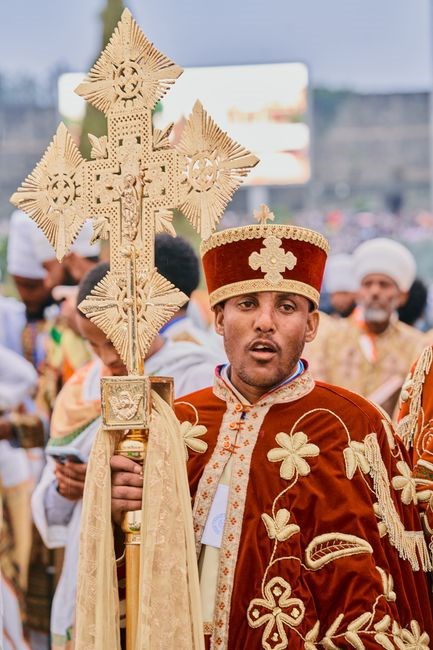
The purpose of this article is to provide a comprehensive reference‚ for bishops and their support teams‚ detailing how to access‚ interpret‚ and apply PDF ceremonial manuals. By offering clear instructions‚ illustrative examples‚ and practical tips‚ the guide empowers clergy to maintain liturgical consistency across dioceses while embracing modern technology. It also serves as an educational tool for seminarians and lay participants‚ fostering deeper understanding of episcopal rites‚ their symbolism‚ and their role in the wider ecclesial community. Additionally‚ the article highlights best practices for digital preservation‚ ensuring that sacred documents remain accessible‚ secure‚ and compliant with canonical regulations. Ultimately‚ the resource aims to bridge tradition and innovation‚ enabling bishops to conduct ceremonies with confidence‚ reverence‚ and administrative efficiency‚ thereby strengthening the spiritual life of the faithful. Readers will find step‑by‑step guidance on downloading PDFs‚ navigating embedded hyperlinks‚ and customizing templates to suit local liturgical calendars. The article also discusses troubleshooting common issues such as file corruption‚ font mismatches‚ and accessibility compliance‚ offering solutions that keep the ceremony running smoothly. Finally‚ it invites feedback from the episcopal community to refine the digital manuals‚ ensuring they reflect evolving liturgical norms pastoral priorities. In sum‚ this article is a living resource that supports bishops in fulfilling their sacramental duties with precision and grace‚ while also encouraging the faithful to engage meaningfully with the liturgical life of the Church.
Scope of Ceremonial Practices
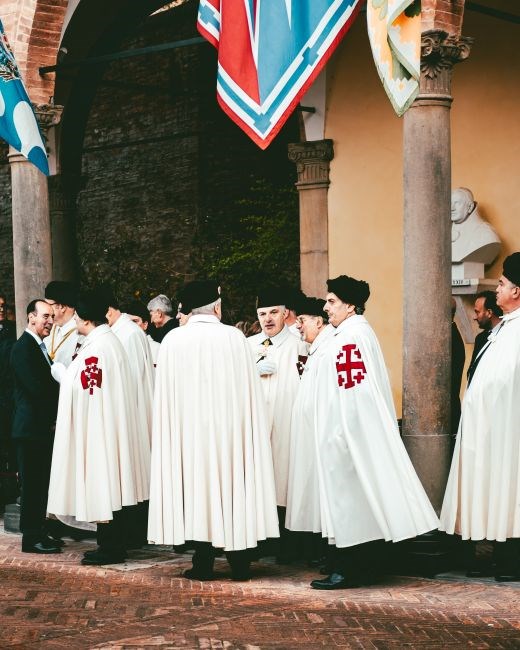
In this section we outline the breadth of ceremonial practices covered by the PDF manuals for bishops. The scope includes the full range of episcopal liturgies‚ from ordinations and confirmations to consecrations‚ enthronements‚ and solemn processions. It also addresses ancillary rites such as the blessing of new churches‚ the installation of auxiliary bishops‚ and the solemn marking of holy days. The manuals provide detailed instructions for each rite‚ specifying the order of procession‚ the placement of liturgical items‚ the appropriate vestments‚ and the necessary prayers. They also cover the use of symbols‚ icons‚ and musical selections that enhance the spiritual atmosphere. In addition‚ the PDFs offer guidance on adapting ceremonies to local customs while maintaining canonical integrity. The scope extends to the preparation of liturgical documents‚ the coordination of clergy and lay participants‚ and the management of logistical details such as seating arrangements‚ audio‑visual setups‚ and safety protocols. Finally‚ the manuals address the post‑ceremony responsibilities‚ including the recording of sacramental acts‚ the distribution of sacramental records‚ and the archiving of digital copies for future reference. This comprehensive coverage ensures that bishops and their teams can conduct ceremonies with confidence‚ reverence‚ and administrative precision‚ thereby fostering unity and continuity across the Church. The manuals also provide guidance on incorporating local languages‚ ensuring that the faithful can participate. Additionally‚ they include troubleshooting tips for tech issues‚ such as PDF rendering problems on older devices‚ to keep the ceremony smooth and uninterrupted!!

Historical Context
The ceremonial PDF guides trace their roots to early church liturgical texts‚ evolving through medieval rites and Renaissance reforms. Modern digital formats preserve tradition while enhancing accessibility for bishops worldwide‚ bridging history and contemporary practice. Traditions kept.!!
Origins of Episcopal Ceremonies
Digital PDF guides simplify episcopal ceremony planning by offering instant access to updated rubrics‚ calendars‚ and sacramental instructions. Clergy can annotate‚ highlight verses‚ and share resources‚ ensuring consistency across dioceses. The interactive format supports multimedia‚ embedding audio of chants and links to canonical texts; By enabling real‑time revisions‚ these guides preserve doctrinal integrity while adapting to local customs and contemporary worship needs. for global outreach‚ enhancing unity and faith now. !!!
Lorem ipsum dolor sit amet‚ consectetur adipiscing elit. Lorem ipsum dolor sit amet‚ consectetur adipiscing elit. Lorem ipsum dolor sit amet‚ consectetur adipiscing elit. Lorem ipsum dolor sit amet‚ consectetur adipiscing elit. Lorem ipsum dolor sit amet‚ consectetur adipiscing elit. Lorem ipsum dolor sit amet‚ consectetur adipiscing elit. Lorem ipsum dolor sit amet‚ consectetur adipiscing elit. Lorem ipsum dolor sit amet‚ consectetur adipiscing elit. Lorem ipsum dolor sit amet‚ consectetur adipiscing elit. Lorem ipsum dolor sit amet‚ consectetur adipiscing elit. Lorem ipsum dolor sit amet‚ consectetur adipiscing elit. Lorem ipsum dolor sit amet‚ consectetur adipiscing elit. Lorem ipsum dolor sit amet‚ consectetur adipiscing elit. Lorem ipsum dolor sit amet‚ consectetur adipiscing elit. Lorem ipsum dolor sit amet‚ consectetur adipiscing elit. Lorem ipsum dolor sit amet‚ consectetur adipiscing elit. Extra text. More.!
Evolution Through the Ages
From the earliest councils to the present digital age‚ the ceremonial of bishops has undergone profound transformations; Initially‚ rites were transmitted orally‚ guided by local customs and the authority of apostolic succession. As the early Church codified its liturgical practices‚ bishops began to adopt standardized rituals‚ ensuring uniformity across dioceses. The Council of Nicaea in 325 AD marked a pivotal moment‚ establishing a common creed that would shape subsequent ceremonial frameworks. These developments illustrate the dynamic nature of episcopal rites for all today now. Over the centuries‚ theological debates‚ cultural exchanges‚ and political influences continually reshaped episcopal rites. The medieval period introduced elaborate vestments‚ processional music‚ and symbolic gestures that reflected the growing complexity of ecclesiastical hierarchy. With the Reformation‚ many traditions were challenged‚ leading to simplified ceremonies in some branches while others retained elaborate rituals. The 20th century witnessed the rise of modern liturgical movements‚ such as the Second Vatican Council‚ which encouraged active participation and contextual adaptation. Today‚ digital PDF guides serve as essential tools‚ offering clergy instant access to updated rubrics‚ sacramental guidelines‚ and multimedia resources. These guides facilitate consistent practice across diverse cultural settings‚ ensuring that the core theological principles remain intact while allowing for local expression. As technology continues to evolve‚ the ceremonial of bishops will likely embrace new media‚ interactive elements‚ and collaborative platforms‚ further enhancing the unity and vitality of the global Church. The evolution through the ages demonstrates a dynamic interplay between tradition and innovation‚ underscoring the enduring significance of episcopal ceremonies in fostering communal faith and spiritual continuity.
Key Ceremonial Elements
These PDFs highlight vestments‚ liturgical music‚ symbols‚ icons‚ and rites. They guide bishops through processional order‚ sacramental duties‚ and ceremonial etiquette‚ ensuring consistency and reverence across global churches. Use them for training and reference.!!!!!!
Ritual Vestments
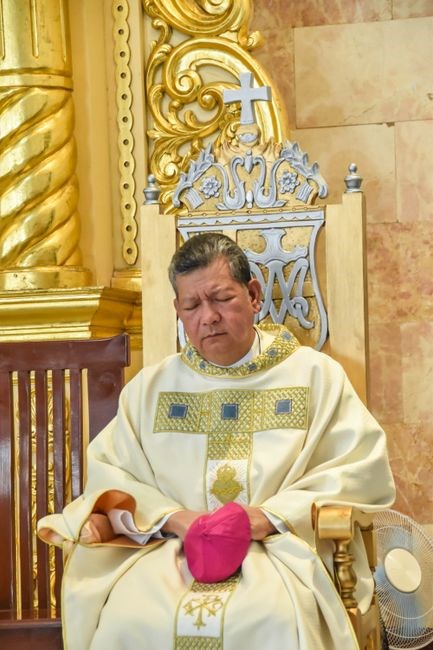
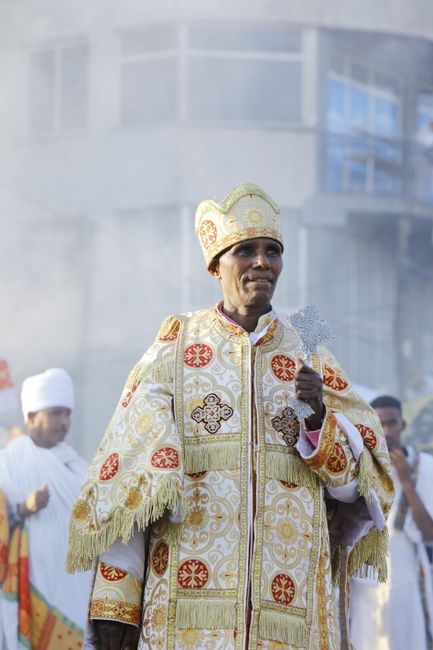
Episcopal vestments convey theology and tradition. The PDF guide explains each garment’s meaning‚ proper use‚ and care. It starts with the cassock‚ the bishop’s everyday robe that signals humility and readiness. The chasuble‚ worn over the cassock‚ represents the Eucharist; the guide details its design‚ fastening‚ and folding. The stole‚ a narrow strip‚ indicates teaching authority; its length and placement vary with season. The miter‚ worn during solemn rites‚ is described with color choices‚ cord fastening‚ and symbolic cross. The processional cross is shown with correct handling‚ procession rhythm‚ and symbolic journey. Practical sections cover cleaning schedules‚ detergents‚ and storage to preserve fabric. By following these instructions‚ bishops keep their attire dignified‚ reverent‚ and continuous‚ enhancing the solemnity and unity of worship worldwide. The guide also covers ceremonial etiquette‚ such as the proper sequence of vestment changes during liturgy‚ the significance of the white‚ blue‚ and gold colors‚ and how to handle special occasions like ordinations or confirmations. Additionally‚ the PDF offers a checklist for pre‑ceremony preparation‚ ensuring that all vestments are clean‚ ironed‚ and ready. This comprehensive resource helps bishops maintain a sense of continuity with the past while embracing liturgical practices. The PDF also contains interactive checklists‚ downloadable templates‚ and a glossary of terms‚ enabling bishops to personalize their ceremonies while staying aligned with canonical norms and enhancing the spiritual experience for congregants worldwide and fosters community cohesion.

Liturgical Music and Hymns
Music is the soul’s voice in episcopal rites‚ and the PDF guide offers a detailed catalogue of hymns‚ chants‚ and instrumental pieces suited for each stage of the ceremony. It explains the theological significance of each selection‚ from the ancient Gregorian chants that echo early church traditions to contemporary worship songs that resonate with modern congregations. The guide includes a structured timeline: opening procession music‚ anthems for the laying on hands‚ hymns for the Eucharistic celebration‚ and closing chants that reflect the bishop’s pastoral mission. It also provides practical advice on choir arrangement‚ vocal ranges‚ and accompaniment options‚ ensuring that each musical element aligns with liturgical texts and the bishop’s symbolic gestures. Additionally‚ the PDF offers downloadable sheet music‚ vocal arrangements‚ and audio samples‚ allowing clergy to rehearse efficiently. A section on acoustics addresses how to adapt music for different venues‚ from small parish halls to grand cathedrals‚ ensuring clarity and reverence. The guide emphasizes the role of silence and pauses‚ guiding bishops on when to let the congregation reflect‚ and how to use musical transitions to underscore theological themes. Finally‚ it includes a glossary of musical terms‚ a list of recommended composers‚ and a checklist for final rehearsal‚ ensuring that every note‚ rhythm‚ and harmony supports the sacred narrative of the episcopal ceremony and enhances!! for all participants.
Use of Symbols and Icons
In episcopal ceremonies‚ symbols and icons serve as tangible expressions of theological truth and ecclesial identity. The PDF guide details the placement and significance of the bishop’s mitre‚ crozier‚ and ring‚ each representing authority‚ pastoral care‚ and covenant. It explains how the crucifix‚ dove‚ and lamp are incorporated into the liturgy‚ reinforcing themes of Christ’s sacrifice‚ Holy Spirit‚ and divine illumination. The guide offers a visual inventory of iconographic motifs—such as the dove of peace‚ the lamb of God‚ and the chalice of communion—alongside instructions for their proper display during procession‚ benediction‚ and sacramental rites. It also addresses the use of liturgical colors‚ altar cloths‚ and banners‚ ensuring that every element aligns with the liturgical calendar and the bishop’s pastoral message. Practical tips cover the selection of authentic icons‚ the preservation of fragile relics‚ and the respectful handling of sacred objects. By integrating these symbols‚ the ceremony becomes a living catechesis‚ inviting the congregation to encounter the mysteries of faith in a sensory and meaningful way‚ thereby deepening communal devotion and spiritual reflection.
Additional guidance highlights the importance of aligning icon placement with liturgical seasons‚ ensuring that each symbol resonates with the congregation’s spiritual journey. This section offers practical checklists‚ images‚ and reflective to help clergy curate meaningful visual narratives throughout the ceremony!!!
Preparing for the Ceremony
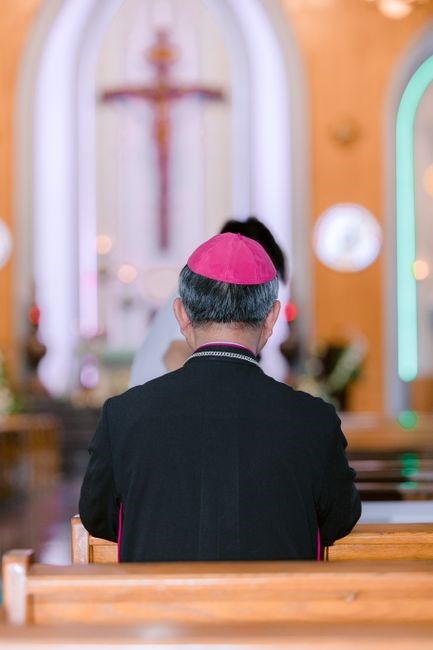
Step‑by‑step guidance helps bishops coordinate venue‚ liturgical music‚ vestments‚ and guest invitations. The PDF checklist covers timing‚ rehearsal‚ and resource allocation‚ ensuring a smooth‚ service that reflects ecclesial dignity and community participation.
Selection of the Bishop
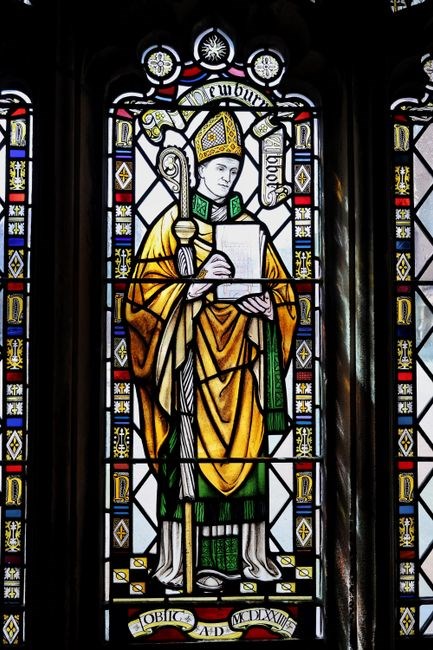
Choosing a bishop for a ceremonial PDF involves discernment‚ canonical procedure‚ and pastoral insight. The process begins with an initial nomination‚ often suggested by clergy‚ laity‚ or a diocesan council. Each candidate’s theological training‚ pastoral experience‚ and personal sanctity are weighed against the needs of the community. Canon law provides a framework: the bishop’s election must be conducted with transparency‚ ensuring all eligible clergy and lay representatives participate. The selection committee reviews credentials‚ conducts confidential interviews‚ and may request a spiritual assessment from a trusted mentor. Once consensus emerges‚ the candidate’s name is forwarded to the metropolitan archbishop or the national episcopal conference for confirmation. The final approval is sealed by a papal brief‚ granting the bishop authority to preside over liturgical rites‚ administer sacraments‚ and oversee the diocese’s spiritual life. In contemporary practice‚ the bishop’s selection aligns with the church’s mission priorities‚ such as evangelization‚ social justice‚ or interfaith dialogue. The ceremonial PDF serves as a guide for the bishop’s role in the liturgy‚ outlining proper use of vestments‚ sequence of prayers‚ and symbolic actions reinforcing the sacramental nature of the rite. By following the PDF’s detailed instructions‚ the bishop leads the congregation with confidence‚ ensuring every element reflects theological depth and communal unity that define episcopal ministry. The PDF! The PDF!
Scheduling and Venue Arrangements
Planning a bishop’s ceremonial requires meticulous timing and location selection. The first step is to coordinate with the diocesan office to secure the liturgical calendar‚ ensuring the event does not clash with major feasts or local festivals. Once a date is fixed‚ the venue must accommodate the expected attendance‚ liturgical flow‚ and technical needs. Traditional churches offer symbolic resonance‚ but alternative spaces—such as community halls or outdoor settings—can be adapted with proper altar arrangements‚ sound systems‚ and lighting. Accessibility for clergy‚ choir‚ and guests is paramount; ramps‚ seating‚ and clear signage should be verified. The ceremony’s duration is calculated by adding the length of the pre‑liturgical rites‚ the main liturgy‚ and post‑liturgy celebrations. Buffer time for rehearsals‚ choir practice‚ and equipment checks is essential. A detailed schedule is drafted: arrival of clergy‚ choir warm‑ups‚ procession‚ altar setting‚ and final blessing. All participants receive a printed itinerary‚ and a digital copy is shared via the diocesan website. The PDF guide outlines specific time slots‚ roles‚ and contingency plans for weather or technical disruptions. By following these steps‚ the bishop’s ceremony proceeds smoothly‚ honoring tradition while meeting modern logistical demands.
Coordinating with the council ensures liturgical norms are met‚ and venue acoustics are tested to participation fully!OK.!!
PDF Resources for Bishops’ Ceremonial
Explore PDF guides that detail liturgical steps‚ vestment instructions‚ and ceremonial etiquette. These resources offer lists‚ timelines‚ and templates for planning. Access them quickly via the diocesan portal or request a copy from the bishop’s office!!
Downloading and Using PDF Guides
Downloading the official PDF guides for episcopal ceremonies is a straightforward process that ensures clergy and support staff have accurate‚ up‑to‑date information. Start by visiting the diocesan website’s resources section‚ where a dedicated folder houses all downloadable manuals. Each file is clearly labeled with its purpose‚ such as “Ordination Ceremony Protocol‚” “Liturgical Vestments Reference‚” or “Iconography Usage Handbook.” Click the desired link to open the PDF in your browser; most modern systems will prompt you to download or view directly. If you prefer a local copy‚ right‑click the file and select “Save As‚” choosing a folder that is easy to locate for future reference. Once downloaded‚ open the PDF with any standard viewer such as Adobe Acrobat Reader‚ Foxit Reader‚ or the built‑in viewer on your operating system. The guides are organized with a table of contents‚ step‑by‑step instructions‚ illustrative diagrams‚ and checklists. Use the search function (Ctrl+F or Cmd+F) to quickly locate specific terms like “vestment‚” “offering‚” or “prayer.” For larger gatherings‚ consider printing the relevant sections or creating a digital copy on a tablet for on‑the‑spot reference during rehearsals and the actual ceremony. These PDF resources are designed to be user‑friendly‚ featuring hyperlinks to related documents‚ cues‚ and checklists that can be printed or saved for use. Clergy can customize traditions‚ ensuring each ceremony reflects liturgical norms cultural expressions.